Compare learning tracks before you enroll

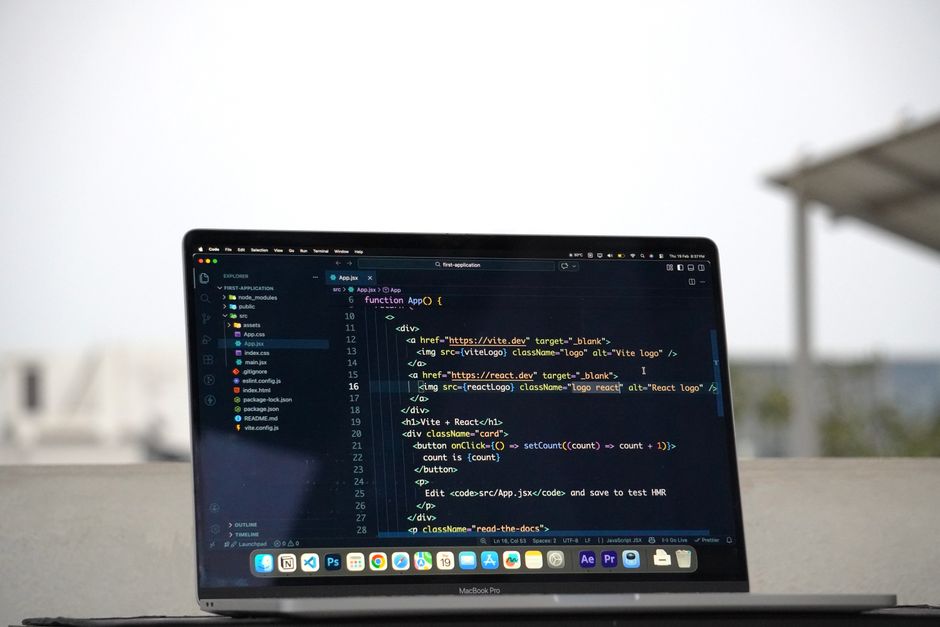
Student reviewing programming modules on a laptop

Each track at Uecois Digital Academy follows a different path through the same core curriculum. The distinction is in how much guided practice you get, how deep we go into system design, and whether you finish with a portfolio project reviewed by a mentor. Pick the format that matches your schedule and your comfort with self-study.

Core Coding Track

See the module breakdown

Software Development Track

Review the project syllabus

Mentored Intensive Track

Ask about weekly reviews

Self-Paced Track

Check the study schedule

Outcomes from the classroom

What learners say after finishing a module

Share your experience
Student reviewing Python exercises on a laptop

Furman Mann

The Python track gave me a clear sequence: variables, loops, then a small file-handling project. I went from reading tutorials to writing scripts that actually run on my own machine.

Learner inspecting a Git commit history

Cathryn Veum

Git used to feel abstract until I worked through the branching exercises. Now I commit daily and can walk a teammate through a merge conflict without guessing.

Developer testing a responsive layout in a browser

Ismael Bernier

The CSS Grid module changed how I approach layouts. I rebuilt a portfolio page with auto-fit columns and it holds up on a phone, a tablet, and a wide monitor.

Two students reviewing code together at a desk

Mara Ellison

Pairing the weekly coding challenges with the review sessions kept me honest. I finished the JavaScript fundamentals block with a working quiz app, not just notes.

Close-up of hands typing on a mechanical keyboard

Devon Whitfield

The database module stood out because every query exercise used a real sample dataset. I left with a clear mental model of joins and indexes, which I use daily at work.

What You Gain from the Uecois Curriculum

Every module at Uecois Digital Academy is built around a single goal: getting you from reading about code to writing it with confidence. The structure below shows the practical outcomes you can expect as you move through the program.

01

Structured Learning Paths

Courses are sequenced so that each concept builds on the previous one. You start with syntax and logic, then move into data structures, debugging, and project architecture without jumping between disconnected topics.

02

Hands-On Coding Exercises

Each lesson pairs theory with a concrete task. You write small programs, fix intentional bugs, and refactor existing code. This repetition turns abstract ideas into habits you can rely on in real projects.

03

Project-Based Assignments

Instead of isolated drills, you assemble complete applications. A CLI tool in one module becomes a web service in the next, so you see how components fit together and how to plan a build from scratch.

04

Code Review Feedback

Instructors read your submissions and leave line-level comments. You learn where your logic is sound, where it gets fragile, and how to make your code readable for other developers on a team.

05

Version Control Practice

From the second module onward, you work in Git repositories. Committing, branching, and resolving merge conflicts become routine, preparing you for the collaboration style used in most software teams.

06

Career-Ready Portfolio

By the final term, you have a collection of finished projects with documented code and written explanations. These artifacts show employers what you can build, not just what you have studied.


Cookie settings

We use cookies to keep the site reliable, remember basic choices, and understand which pages are useful. You can accept, reject, or review the settings before continuing.